

Quick answer
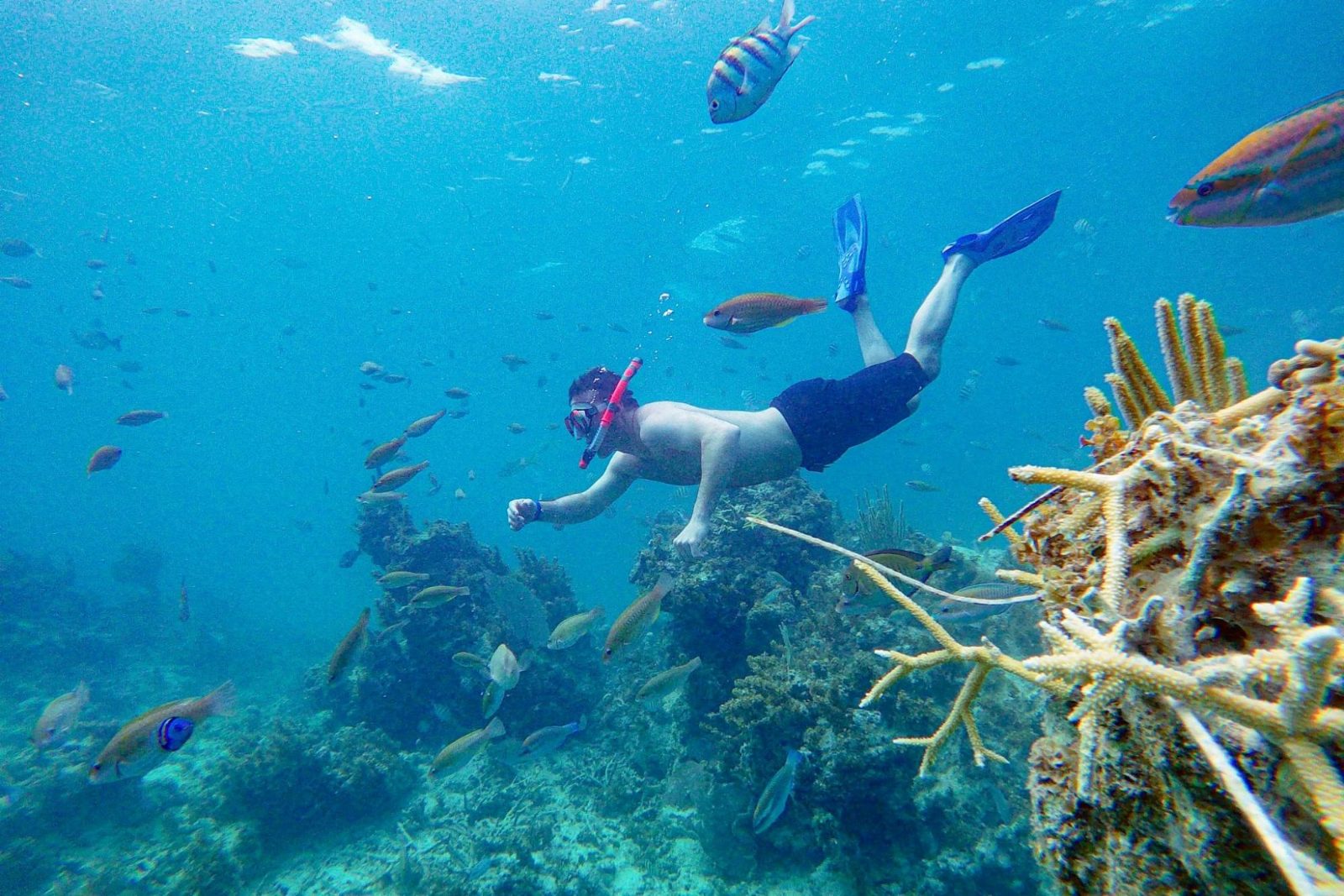
Is Punta Cana good for scuba diving? Yes, for beginner to intermediate divers seeking accessible reef systems and consistent conditions. Visibility averages 15 to 25 meters, water temperatures hold steady at 26 to 29°C year-round, and most dive sites lie within a 20-minute boat ride. The region lacks dramatic drop-offs or advanced wreck penetration, but coral gardens, shallow walls, and marine life variety make it a reliable choice for recreational diving.
The coastline supports more than 30 catalogued dive sites, most clustered between Cabeza de Toro and Bávaro Beach. Coral formations sit at depths of 8 to 18 meters, with occasional walls extending to 30 meters near Catalina Island. Nurse sharks, southern stingrays, and green moray eels appear regularly on morning dives, while seahorses and frogfish occupy sponge-covered overhangs. Whether Punta Cana diving in the Dominican Republic meets your expectations depends on what you compare it to. The region does not offer the vertical topography of Cozumel or the pelagic action of the Cayman Islands. What it does provide is calm water, dependable visibility from November through April, and reef systems that recover well from seasonal weather. Hurricane season between June and November brings reduced clarity and rougher surface conditions, but operators maintain schedules outside storm windows. Marine biodiversity here reflects typical Caribbean reef ecosystems. Hard corals like brain and star coral anchor the structures, while schooling grunts, snappers, and chromis fill the water column. Barracuda patrol the deeper edges, and hawksbill turtles forage across turtle grass beds adjacent to the reefs. The Astron wreck, deliberately sunk in 2023, now attracts groupers and allows penetration for certified divers. Diving operations in Punta Cana follow PADI and SSI standards, with bilingual instruction and equipment maintained to international norms. Two-tank morning trips depart between 08:00 and 10:00, when wind remains light and visibility peaks. Water entry occurs from dive boats rather than shore, and surface intervals happen aboard or at beach stops. The region suits those building experience logs, underwater photographers working in natural light, and divers prioritizing ease of access over technical challenge. If you seek wall diving or strong currents, other Caribbean destinations deliver more. If you want predictable conditions and varied macro life within reach of resort infrastructure, the answer becomes clearer.
“The region suits those building experience logs, underwater photographers working in natural light, and divers prioritizing ease of access over technical challenge.”
When Is Punta Cana Good for Scuba Diving?
The optimal window for scuba diving in Punta Cana is during the morning hours, when sea conditions are at their calmest and visibility is highest. On a seasonal basis, late spring and early autumn often provide the most favorable water stability.
Morning Hours
Low—
Best water visibility and calmer sea conditions typically occur in the morning.
December to March
High24°C–28°C
Cooler water temperatures with increased surface chop common in winter months.
April to June
Moderate26°C–30°C
Stable weather patterns often result in clear, calm waters for divers.
August to October
Low27°C–31°C
Warm water temperatures are consistent, though this period falls within the peak Atlantic hurricane season.
Verdict: The best opportunity for diving is weekday mornings between April and June or September and October to avoid peak tourist swells and seasonal storms.
What Makes Is Punta Cana Good for Scuba Diving: Dive Sites
The underwater landscape of Punta Cana features a mix of shallow coral reefs and artificial shipwrecks suitable for various skill levels. These sites provide habitats for tropical marine life and offer opportunities for both reef exploration and wreck penetration.
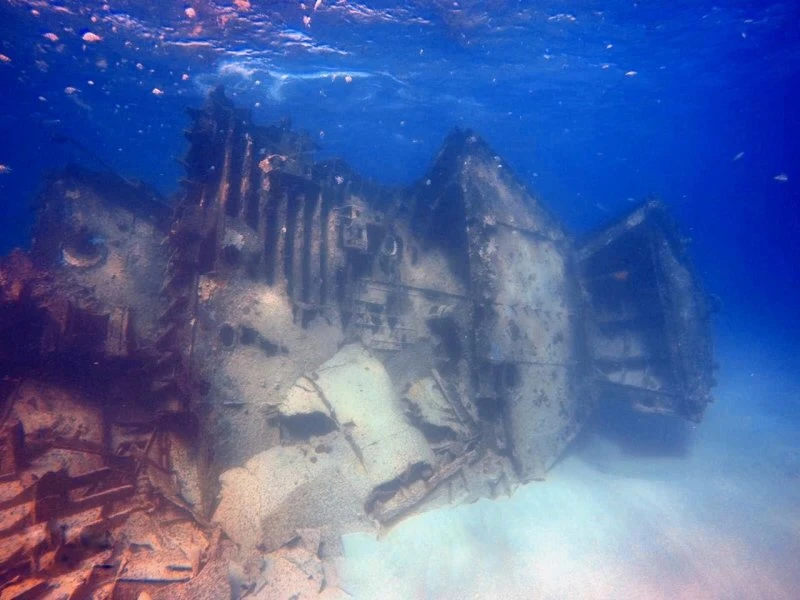
Astron Wreck
A large cargo ship wreck located in shallow waters, now broken into sections that attract schools of fish. This site is accessible for divers looking to explore structural remnants on the seafloor.
Swim around the propeller section for the best perspective.
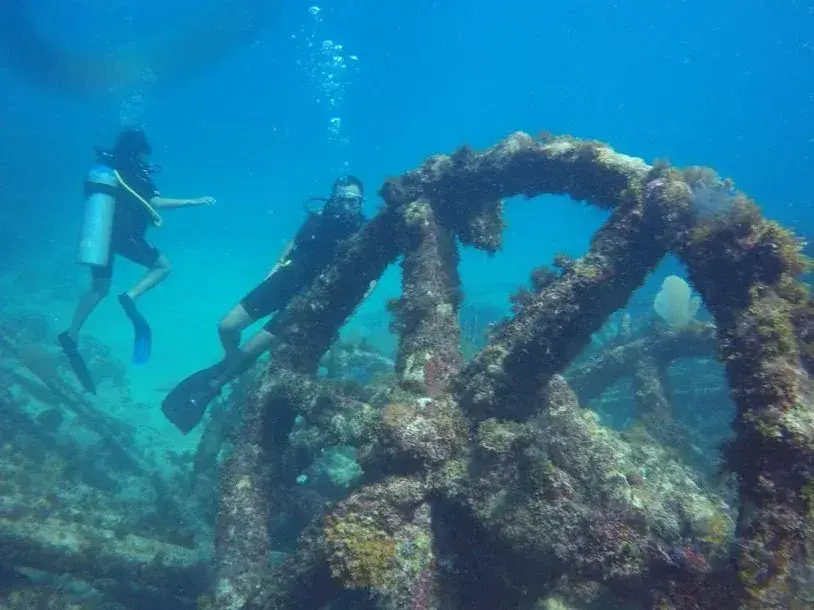
Monica Wreck
A historic freighter sitting at a depth of approximately 10 meters, offering an accessible wreck dive. The site is characterized by its intact hull and abundance of marine organisms.
Look inside the cargo holds to spot resident moray eels.
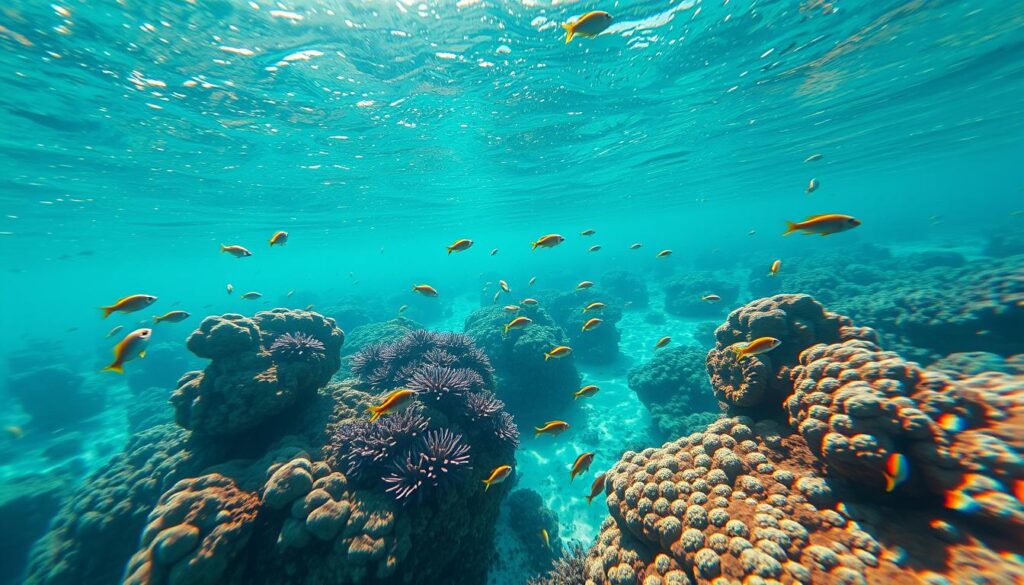
Coral Garden
A shallow reef system featuring diverse coral formations and high concentrations of reef fish. This area is commonly used for training dives and underwater photography.
Focus on the crevices for small crustaceans and pipefish.
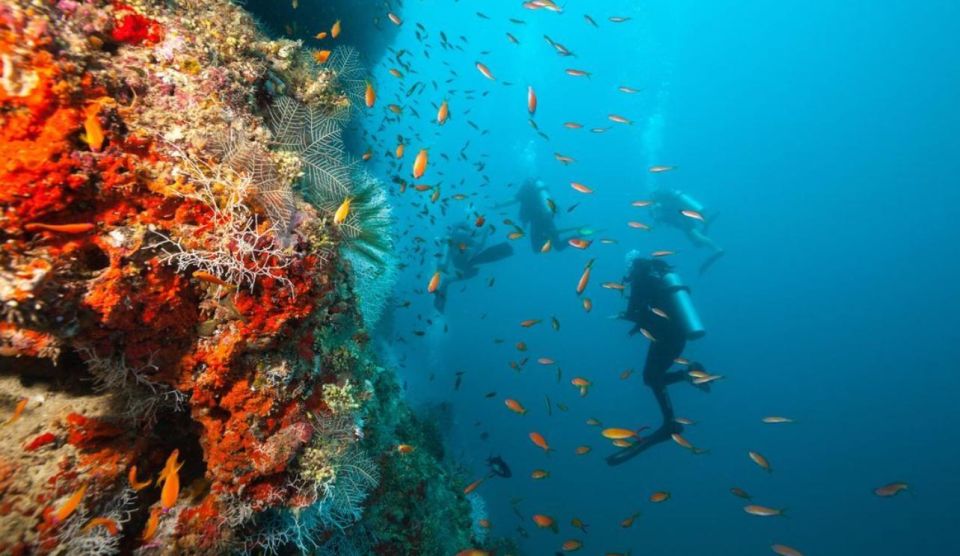
The Wall
A deeper dive site where the seafloor drops off, providing a different topography compared to the shallow reefs. It features coral walls that support sponges and larger pelagic species.
Keep a steady watch toward the blue for passing reef sharks.
Is Punta Cana Good for Scuba Diving Operations Schedules
Diving operations in Punta Cana maintain a consistent daily schedule to facilitate underwater activities. These hours apply throughout the week.
| Monday | 08:00–17:00 | |
|---|---|---|
| Tuesday | 08:00–17:00 | |
| Wednesday | 08:00–17:00 | |
| Thursday | 08:00–17:00 | |
| Friday | 08:00–17:00 | |
| Saturday | 08:00–17:00 | |
| Sunday | 08:00–17:00 |
Is Punta Cana Good for Scuba Diving Costs and Fees
There is no direct entrance fee to access the ocean in Punta Cana. Scuba diving costs depend entirely on the private operator packages you select.
While ocean access is 0 USD, the total cost for scuba diving varies based on the specific services and packages offered by private operators.
Is Punta Cana Good for Scuba Diving Prep Checklist
Preparation ensures a smooth diving experience and meets operator requirements.
-
Book your dive in advance — Operators require reservations and slots fill quickly during peak season.
-
Bring your certification card — PADI or equivalent proof is mandatory for all non-introductory dives.
-
Confirm dive insurance coverage — Many operators require proof of diving accident insurance before departure.
-
Arrive between 08:00–10:00 — Morning departures offer the best water visibility and calmer sea conditions.
-
Pack reef-safe sunscreen — Punta Cana's marine parks prohibit chemical sunscreens that damage coral.
-
Bring a waterproof pouch — Protects certification documents and personal items during boat transfers.
Check availability
Frequently asked questions about scuba diving in Punta Cana
Everything you need to know about is punta cana good for scuba diving